For the first time in three years, urban India is planning a smaller Diwali. The LocalCircles Mood of the Consumer survey, released on October 14 with over 67,000 responses from 307 districts, estimates total urban festive spending at ₹1.97 lakh crore for September–November 2026 — down 6% from ₹2.10 lakh crore last year, when GST cuts had lifted the season by about 14%. Three numbers inside the survey matter more than the headline: 31% of households plan no discretionary festive spending at all; the average spender will put in about ₹20,000; and 83% of those spending will fund part of it from savings, with 16% funding all of it that way. In other words, the festive season is still happening — it is just being paid for out of the cushion that was meant for emergencies.
Why the mood has turned
- Prices are rising faster every month: retail inflation hit 5.54% in September, up from 4.83% in August and the eleventh consecutive monthly increase. Food inflation jumped to 7.74%, with onion prices more than double a year ago. Households now expect prices to rise about 9.4% over the next year.
- Borrowing got dearer right before the season: the RBI raised the repo rate to 5.50% on October 7 — the first hike in over three and a half years — and has ruled out cuts in the near term. A ₹50 lakh, 25-year home loan costs roughly ₹817 more a month if the hike is passed on in full.
- Savings don't keep up: new fixed deposits were paying around 5.67% in August, below where the RBI itself expects inflation to peak (about 6% in October–December). Money in the bank is losing purchasing power, which is exactly when people feel poorer.
- Jobs and confidence are softer: the RBI's own consumer survey shows the current-situation index slipping to 88.3, and the net view on employment at −21.9. Household financial liabilities had already reached 45.8% of GDP by March.
- Wholesale pressure is still building: WPI inflation was 11.39% in September, which means more retail price increases are in the pipeline, not behind us.
The survey's most important finding is not the 6% drop — it's that most festive budgets are coming out of savings rather than income. A celebration funded by the emergency fund is a loan from your future self, at whatever rate the next emergency charges.
What people are still buying
Among those who will spend, 72% are buying clothing, footwear and accessories, 45% home appliances and furniture, 45% travel and holidays, 39% gourmet food and gifting, and 22% each for phones and home renovation. Only 6% are buying jewellery — unsurprising with gold near ₹1.50 lakh per 10 grams. The spread is telling: the big-ticket categories that used to define the season (cars at 10%, jewellery at 6%) have thinned out, while clothes, travel and gifts — the social, visible spends — have held. That is the shape of a household protecting its relationships while cutting its assets, and it is a sensible instinct as long as the money comes from the month's income, not the year's savings.
The renter's version of this problem
If you rent, you are living inside the same squeeze with one extra constraint: a large part of your savings is not in your bank at all. It is sitting with your landlord as a security deposit — commonly two to six months of rent, more in Bengaluru and Mumbai — earning nothing, while a fixed deposit would at least pay 5–6% and inflation runs above that. For a tenant paying ₹30,000 a month with a three-month deposit, that is ₹90,000 of their own money that cannot be touched for Diwali, for a medical bill, or for the gap between jobs the RBI survey is worried about. The 83% who are funding the season from savings would have a thicker cushion if that deposit were in their account instead of someone else's.
Seven moves before the Dhanteras rush (November 6)
- Fund Diwali from October and November income, not from savings. Write the total down first; the survey's ₹20,000 average is a useful ceiling for most urban households.
- Protect the fixed stack: rent, EMIs, insurance and school fees for the next two months are reserved before any festive purchase. Lenders watch festive-month bounces closely, and the bounce charge plus the credit-report mark costs far more than the gift did.
- Keep the emergency fund at three months of expenses — and if it is below that, this is the year to spend less, not to top it up in January.
- Buy the visible things, skip the depreciating ones: clothes, a trip home, gifts for family are what people remember. A phone bought on a 24-month EMI at a higher rate is what you remember in 2028.
- Treat zero-cost EMI with suspicion in a rising-rate year: the cost is in the processing fee, the forgone discount or the insurance bundle. Compare the APR on the Key Facts Statement.
- Renegotiate the renewal early: if your lease renews before March, open it now — landlords with floating-rate loans just saw their EMI rise and will push harder on the annual increase.
- Don't let the deposit grow: a landlord asking for a bigger deposit on renewal is asking you to lend them more money at 0%. Offer a longer lock-in instead, or move to a zero-deposit arrangement.
Where RentHatke fits
This survey is, at its core, about liquidity: households have the income for Diwali but not the free cash, so they borrow from their own savings. Zero-deposit renting attacks that at the source. On RentHatke, an RBI-registered lending partner pays the security deposit to your landlord, and you repay it in small monthly instalments collected by auto-debit on a date you choose. The complete cost is set out in a Key Facts Statement before you sign — no surprises after the rate hike — and every on-time instalment builds your credit record. Your savings stay in your account, where they earn interest and where they are available for the festive season, the emergency, or the job change the surveys keep flagging.
Moving this season? Keep the deposit in your savings, not the landlord's. Check your zero-deposit eligibility on RentHatke in under 2 minutes — no impact on your credit score. (This article summarises the LocalCircles Mood of the Consumer survey published on October 14, 2026 and official inflation and RBI data for general information; it is not financial advice. Survey figures carry a stated margin of error under 7%.)
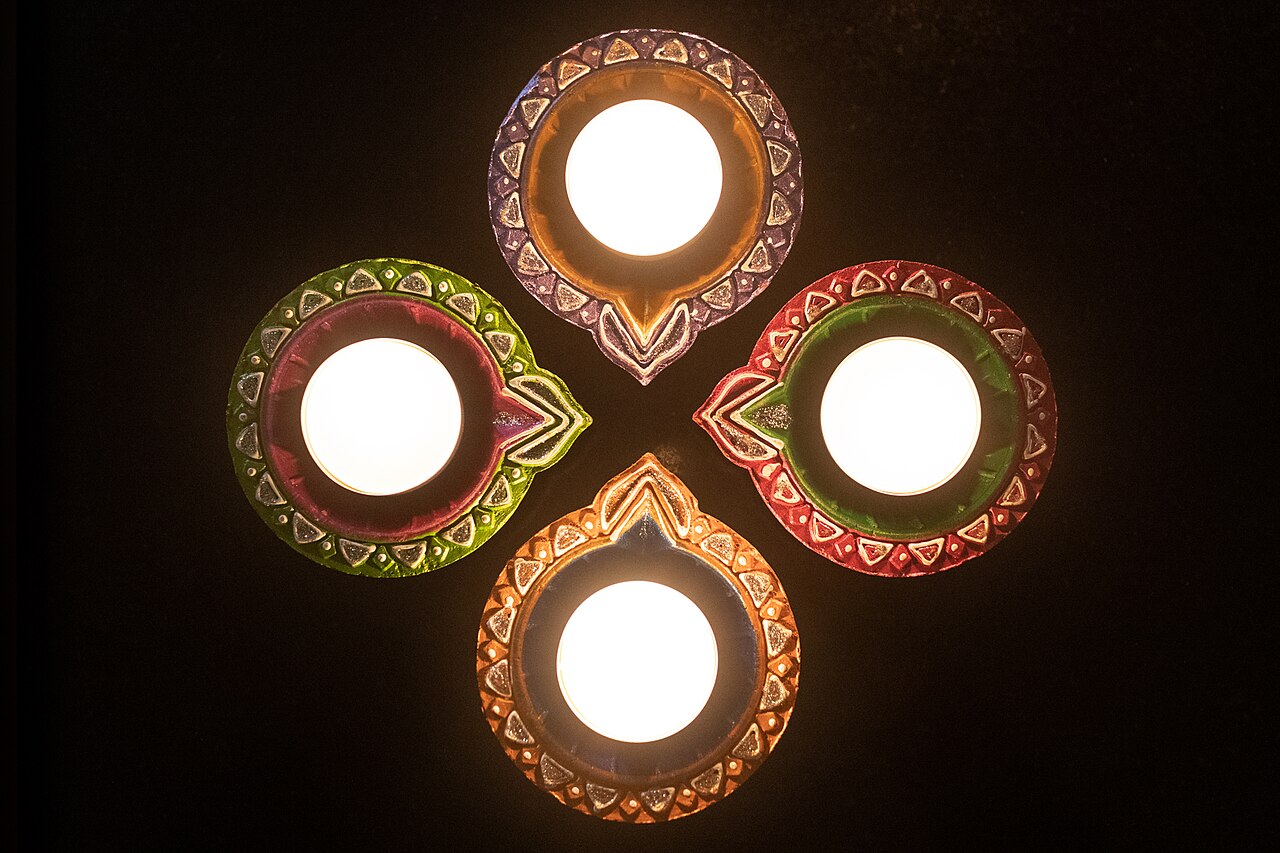
Cover image: Diwali diyas by PilotChicago, via Wikimedia Commons (CC BY-SA 4.0).