On November 12 the statistics office published the number everyone in the RBI building had been dreading: consumer price inflation for October 2026 was 6.09%, up from 5.54% in September and 4.83% in August — the first time the headline has breached the central bank's 6% upper tolerance limit since the new CPI series began. Food did the damage. The food price index rose 8.94% year on year; vegetables 10.9%, the highest in the series; milk, eggs and dairy 5.6%, also a series high, with retail milk at roughly ₹63 a litre against ₹59 in March. Onions were up 116% on a year ago, garlic 61%, ginger 48%. Core inflation — the part that excludes food and fuel and that the RBI watches most closely — edged up to 4.6%. By Monday morning the first brokerage note had landed: Choice Institutional Equities expects a 25-basis-point hike at the December 2–4 meeting and another in February, taking the repo rate from 5.50% to around 6.0–6.25%. 'The breach pulls the RBI into a corner,' the note said. It also pulls every household budget into one.
The number that is not moving: housing
Buried in the same release is the figure that matters most to a tenant and gets the least attention. The housing, water, electricity and gas division rose only 2.90% year on year — less than half the headline, and a fraction of the food number. Measured rent across urban India is rising at roughly the pace it has for two years, well below wages in most cities and far below what viral posts from Bengaluru and Gurugram suggest. Two things explain the gap. The CPI's housing index tracks existing tenancies, where the annual increase is contractual (typically 5–10%), not the asking rent on a new listing. And new supply is finally arriving: completions in the peripheral belts of NCR, Pune and Hyderabad have pushed vacancy up and cooled asking rents in exactly the segments where the fastest increases were. The practical reading for a tenant: if you are renewing, the data is on your side — a landlord asking for 15% is well outside what the market as a whole is doing.
Where the 6% actually hits a renter
- Groceries, not rent: a household spending ₹12,000 a month on food is paying roughly ₹1,000 more than a year ago for the same basket — more if it eats a lot of vegetables and dairy, less if it eats potatoes (down 14%).
- Eating out: restaurants and accommodation inflation is 10.06%, the highest non-food division. The ₹400 lunch is now ₹440.
- Transport at 5.84% — fuel prices are feeding through, and wholesale fuel and power inflation at 32.8% says more is coming.
- The EMI on anything floating: a repo-linked home loan, a top-up, some personal loans. Two more hikes of 25 bps each on a ₹40 lakh loan with 18 years left is about ₹1,250 a month more, or roughly nine months added to the tenure if the EMI is held.
- Fixed-rate borrowing stays fixed: a rent-financing plan or a security-deposit loan priced at sanction does not move with the repo rate. The Key Facts Statement rate is the rate.
Rural inflation at 6.63% is running more than a point above urban at 5.41%, and rural food at 9.09%. For the millions of city tenants sending money home every month, the remittance has to grow faster than their own salary just to buy the same groceries in the village.
What the RBI does on December 4 — and what it means
The committee already moved its stance to 'calibrated tightening' in October and said the only options ahead were a hike or a pause. A 6%-plus print makes December's decision close to automatic: a quarter-point hike to 5.75% is now the base case, with a second in February widely expected. For borrowers, the message is to stop waiting for cheaper money this winter. For savers, fixed-deposit rates — around 5.7% on new deposits in August — will drift up, but remain below food inflation, which means money sitting idle is still losing ground. For tenants specifically, the hike reaches you through the landlord: a landlord servicing a floating-rate loan on the flat you live in sees a higher EMI in January and arrives at the renewal conversation in March wanting to recover it. Open that conversation now, with the 2.9% housing number in hand.
Five things to lock in before December 4
- Renew early, renew long: a 22- or 33-month lease at a fixed step-up of 5–7% beats a fresh negotiation every March in a tightening cycle. Landlords with rising EMIs value certainty too.
- Keep the deposit out of the landlord's account: at 6% inflation, ₹1 lakh held interest-free for two years loses roughly ₹12,000 of purchasing power — on top of the fixed-deposit interest forgone. Negotiate it down, or finance it so the cash stays yours.
- Fix what can be fixed: if you are taking any loan this quarter, a fixed-rate instalment plan with a disclosed APR is now worth more than a floating product with a lower headline rate.
- Rebuild the food budget, not the rent budget: the ₹1,000-a-month grocery drift is the real new cost; rent is not where the squeeze is this year.
- Watch the February print, not December's: the base effect that flattered last year's numbers is still unwinding, and the RBI's own forecast had Q3 at 6.0%. One more month above the band and the February hike becomes certain.
The RentHatke angle
An inflation spike rewards liquidity and punishes idle cash. The security deposit is the largest pool of idle cash most tenants will ever hold — two to ten months of rent, earning nothing, losing 6% a year in real terms. On RentHatke, an RBI-registered lending partner pays the deposit to the landlord and you repay it in fixed monthly instalments collected by auto-debit; the rate is set at sanction and shown in a Key Facts Statement, so two more RBI hikes do not touch it. The cash that would have gone to the landlord stays in your account — where, in a 6% year, it is needed.
Keep your deposit money working for you in a high-inflation year. Check your zero-deposit eligibility on RentHatke in under 2 minutes — no impact on your credit score. (This article summarises the provisional October 2026 CPI release and publicly reported analyst forecasts for general information; it is not financial advice. The RBI's December decision is a forecast, not a fact, until it is announced.)
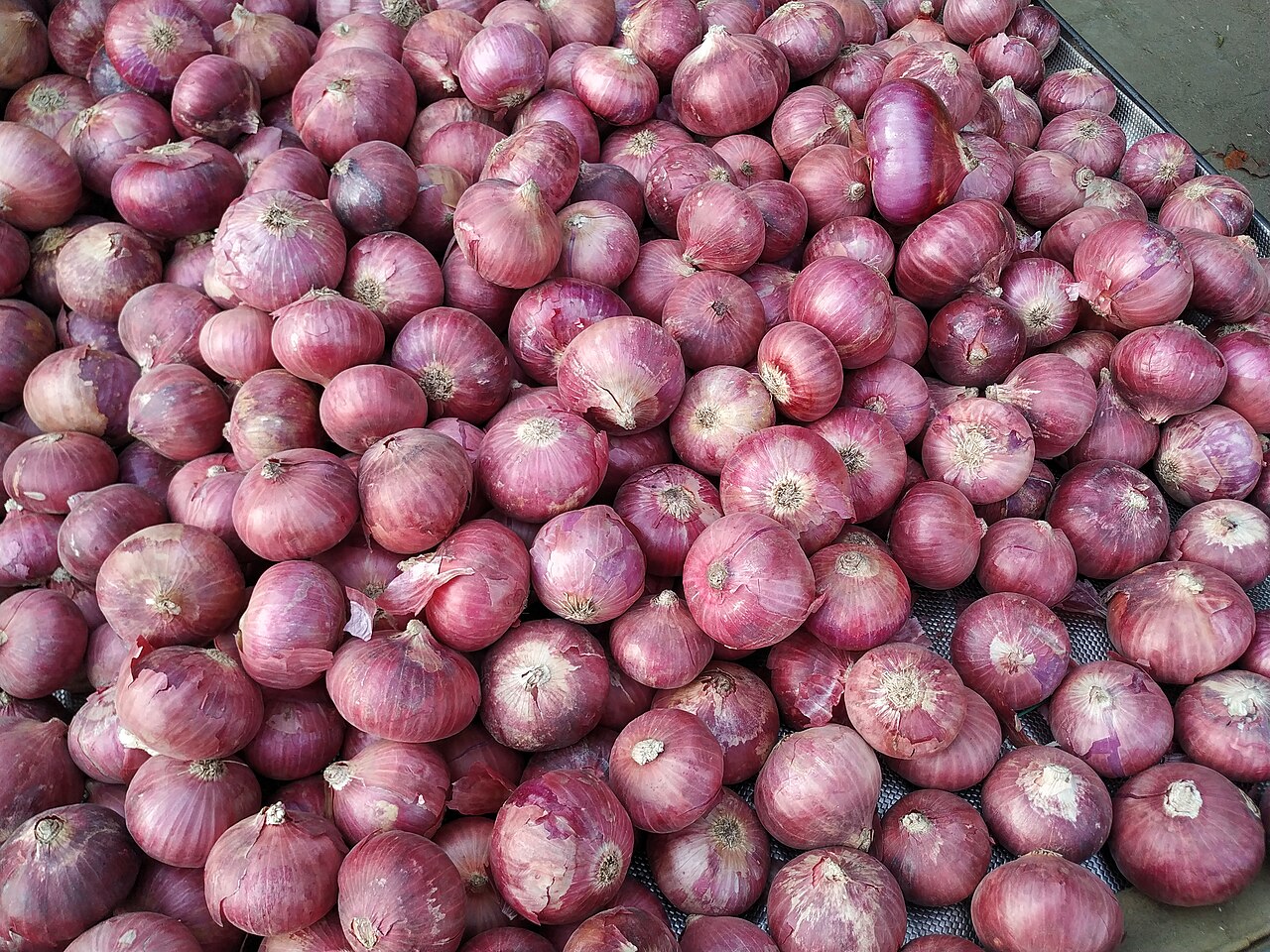
Cover image: Onions on a trolley in India by Ravi Dwivedi, via Wikimedia Commons (CC BY-SA 4.0).